

Home Birth: Is It The Right Choice For You?
Home birth isn’t the right choice for every pregnancy—and understanding when it isn’t appropriate is just as important as knowing when it is.
Deciding Where to Give Birth: Is Home Birth Right for You?
For many parents, choosing where to give birth starts with one assumption:
👉 “We’ll just go to the hospital.”
Not because they’ve explored all their options—
but because it feels like the default.
But for some families, that default doesn’t fully align with how they envision birth.
They want:
• more freedom to move
• fewer routine interventions
• a more personal, supported environment
And that’s often what leads them to start considering home birth.
Not as a trend—but as a thoughtful choice.
So how do you know if it’s right for you?
Let’s walk through it together.

Understanding Home Birth
Home birth involves giving birth in the comfort and privacy of your own home, attended by a qualified healthcare professional such
as a certified nurse midwife or licensed midwife. While the safety of home birth remains a topic of discussion, research has provided
valuable insights:
A 2020 study published in The Lancet found that planned home births for low-risk pregnancies were associated with outcomes
comparable to hospital births, including lower rates of obstetric interventions such as cesarean sections and vacuum-assisted
deliveries.
Data from the Cochrane Library suggests that women who plan home births often report greater satisfaction with their birthing
experience due to the personalized care, control, and comfort they feel in their home environment.
These findings reveal that for low-risk pregnancies, home birth can be a safe and rewarding option when supported by experienced
healthcare providers and a solid emergency plan. Home birth isn’t about avoiding medical care—it’s about choosing the
environment that best supports a low-risk, physiological birth.
Advantages of Home Birth
Choosing a home birth offers a range of benefits, many of which align with the desire for a natural and empowering childbirth
experience:

Familiar Environment: Laboring at home allows you to
be surrounded by the comforts of your own space—
your bed, your music, your lighting, your vibe. This
freedom helps to reduce stress and promote
relaxation during your labor process.
Lower Likelihood of Routine Interventions: In hospital
settings, standard protocols can sometimes lead to
interventions that aren’t always necessary for low-risk
births. At home, labor is typically allowed to unfold
naturally—without time pressure or routine escalation
—supporting a more physiological birth process.
Continuous One-on-One Care: Midwives at home
births typically stay for the entire process, which
contrasts with the shift-based care system in the
hospital. This consistent support can improve
maternal outcomes and foster a deep level of trust
Enhanced Privacy and Control: At home, you have the
freedom to labor and birth in positions that feel most
natural, whether squatting or even in a birthing pool. You control who is present, ensuring a calm and personalized
atmosphere.
Support for Natural Birthing Choices: Home birth allows you to embrace a more personalized approach to pain
management, from hydrotherapy and massage to acupressure. By leaning into your body’s natural abilities, you can
create a birth experience that feels empowering and aligned with your values.
Reduced Exposure to Infections: Hospitals play a critical role in managing complications but also carry a higher risk of
hospital-acquired infections. A home birth minimizes this exposure for both mother and baby, contributing to a calmer,
healthier environment.
Enhanced Family Involvement: Home birth creates a uniquely intimate experience where your family can be as involved
as you’d like. Whether it’s your partner, children, or a close friend, everyone can play a meaningful role in welcoming your
new baby.
Continuity of Care: Building a trusting relationship with one midwife throughout pregnancy, birth, and postpartum is a
cornerstone of home birth care. This level of continuity often fosters a sense of safety and reassurance that can be hard to
replicate in a hospital setting.
Increased Comfort During Labor: At home, you’re in control. You can wear your favorite clothes, eat nourishing snacks, and
move freely in your space, all while laboring at your own pace without bright lights or unfamiliar protocols.
Considerations of Home Birth
While the benefits of home birth are compelling, it’s crucial to consider certain factors to ensure a safe and positive experience:
Emergency Readiness: Even with the best planning, complications can arise. It’s crucial to have a solid transfer plan in
case medical intervention becomes necessary.
Access to Medical Interventions: If you anticipate needing an epidural or other advanced medical support, a hospital
might be a better fit. Home births are better suited for those looking to avoid routine interventions
Risk Assessment: Home birth is generally recommended for low-risk pregnancies. Conditions like preeclampsia, placenta
previa, or breech presentation may require a hospital delivery for the safest outcomes.
Finding the Right Provider: Not all midwives are equipped or experienced for home births. Look for a certified nurse midwife
or licensed midwife with a strong track record and a collaborative relationship with nearby hospitals.
Real-life Perspective: My Home Birth Journey
This is where it gets personal. As a mom of four, I’ve experienced it all—from a birth center for my first to three unforgettable home
births. What I realized after my first birth was this: I didn’t just want a safe birth—I wanted to feel fully present, supported, and at ease
in my environment. Each home birth brought profound empowerment: laboring in my own time, with no pressure or unnecessary
interventions, surrounded by my partner and a midwife team who had my back.
That’s why choosing the right midwife matters. Look for a certified or licensed midwife with a strong track record and a collaborative
relationship with local hospitals. The type of provider supporting your birth can make a significant difference in your experience. You
can learn more about how to evaluate providers in How to Choose the Right Birth Attendant for You.
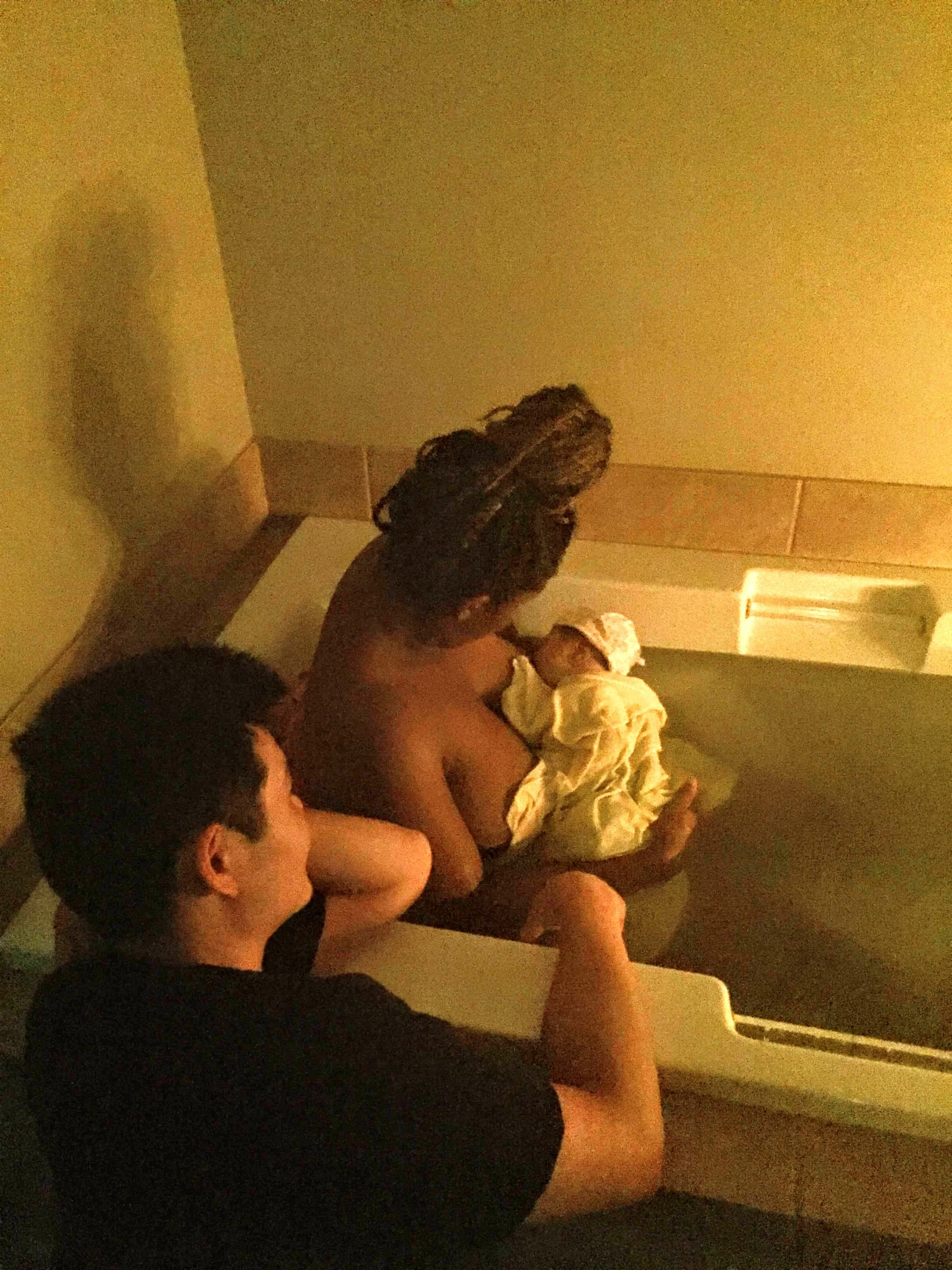
These experiences have fueled my passion for helping other families navigate the possibilities of home birth. At Our BirthRoom,
we’re committed to providing the resources and education you need to make informed, confident decisions about your birth.
Enhancing Your Home Birth Experience with Our BirthRoom
If you're considering home birth, preparation is key. Our BirthRoom offers a comprehensive online childbirth education course that
covers:
Understanding Your Body’s Physiology: Learn how your body works during labor and what to expect at each stage.
Pain Management Techniques: Discover natural methods to manage labor pain, including breathing techniques,
movement, and hydrotherapy.
Emergency Preparedness: Equip yourself with the knowledge and tools to handle unexpected situations confidently.
Postpartum Recovery: Gain insights into healing and adjusting during the postpartum period.

Our course also includes live group sessions, downloadable materials, and access to an engaged community of parents who share
your journey. Whether you’re planning a home birth, a hospital birth, or something in between, we’re here to support you.
Choosing Where You Give Birth Is Just One Piece
Home birth, hospital birth, or birth center—each option has its place.
But here’s what matters most:
👉 how prepared you feel walking into labor
👉 how supported you are in the moment
👉 how confidently you can navigate decisions if things change
Because birth doesn’t go according to a script.
And confidence doesn’t come from location alone—it comes from preparation.
Inside my free class:
10 Steps to a Calm and Confident Birth—Together
I’ll walk you and your partner through:
✨ how to prepare for birth in any setting
✨ how to work with your body during labor
✨ how to reduce unnecessary interventions
✨ how to train your partner to support you like a Daddy Doula
Because the goal isn’t to choose the “perfect” birth setting.
It’s to feel confident—wherever you give birth.
Continue Preparing for Your Birth
If this post was helpful, you might also enjoy:
• How to Choose the Right Birth Attendant for You
• Train Your Partner to Be a Daddy Doula
• 10 Steps to a Calm and Confident Birth—Together
References
Maternal outcomes and birth interventions among women who begin labour intending to give birth at home compared to women of low obstetrical risk who intend to give birth in hospital: A systematic review and meta-analyses. Reitsma, Angela et al. eClinicalMedicine, Volume 21, 100319.
Bohren MA, Hofmeyr G, Sakala C, Fukuzawa RK, Cuthbert A. Continuous support for women during childbirth. Cochrane Database of Systematic Reviews 2017, Issue 7. Art. No.: CD003766. DOI: 10.1002/14651858.CD003766.pub6
