

Unmedicated Childbirth: How to Prepare for a Natural Birth
When I first started exploring unmedicated childbirth, I was drawn to the idea of fully trusting my body and embracing the birth
process without interventions. After experiencing the births of my four children naturally, I knew I wanted to share this empowering
approach with others.
Many parents are curious about unmedicated childbirth—but also wonder if it’s actually possible.
After giving birth to my four children naturally, I’ve learned something important:
Natural birth isn’t about being “tough.”
It’s about preparation, support, and understanding how your body works during labor.
Myth: Unmedicated Birth Is Only for “Superwomen”
One of the biggest misconceptions about natural birth is that you have to have an unusually high pain tolerance.
But what actually makes the difference is:
preparation
partner support
movement and positioning
understanding how labor works
Many parents who once thought natural birth was impossible discover that with the right tools, it becomes much more manageable
than they expected.WHAT IS NATURAL CHILDBIRTH?
Natural childbirth is the process of giving birth without the use of medications or medical interventions such as epidurals,
inductions, or cesarean sections. It emphasizes the body's innate ability to naturally bring a baby into the world.
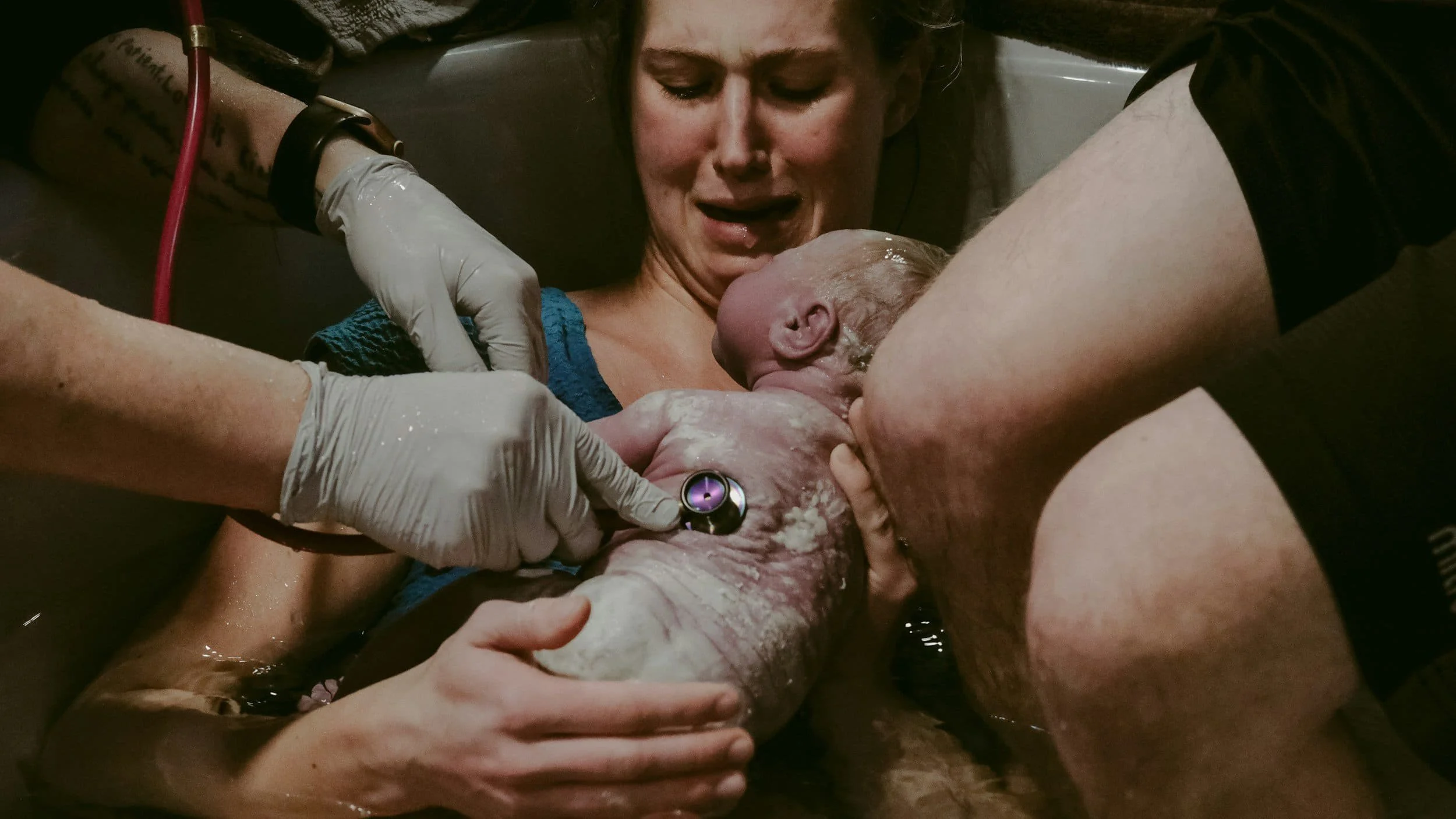
Unlike births heavily managed by medical interventions, unmedicated childbirth focuses on minimal interference, allowing labor to progress at its own pace.
This approach fosters a deep connection between you, your partner, and your baby, creating a more intimate and empowering birthing experience.
Benefits of unmedicated childbirth?
Choosing unmedicated childbirth offers a range of benefits for both mom and baby. Physically, it reduces the risk of complications
leading to a quicker recovery. Babies born unmedicated are often more alert at birth, as they are unaffected by medications that
can cause drowsiness.
Emotionally and psychologically, unmedicated childbirth can be incredibly empowering. Many mothers report a profound sense of
accomplishment and satisfaction after delivering their baby. An unmedicated birth also promotes immediate bonding and
breastfeeding, which have long-term positive health benefits for both mom and baby.
After giving birth my first time around, I was amazed at how quickly I recovered and how alert and engaged my baby was right from
the start. The sense of accomplishment and connection I felt was indescribable. I felt like I could overcome anything after giving
birth naturally.
Preparing for unmedicated childbirth
Preparation is key to a successful birth experience. Start with comprehensive prenatal care to support your physical health. Equally
important is childbirth education. It provides you with the knowledge and tools you need to navigate labor confidently. You will also
learn how to maintain a healthy lifestyle through balanced nutrition, regular exercise, and adequate rest. Understanding how labor
actually works can make a huge difference in how confident you feel during birth. If you're curious how to work with contractions
instead of against them, you might enjoy this guide:
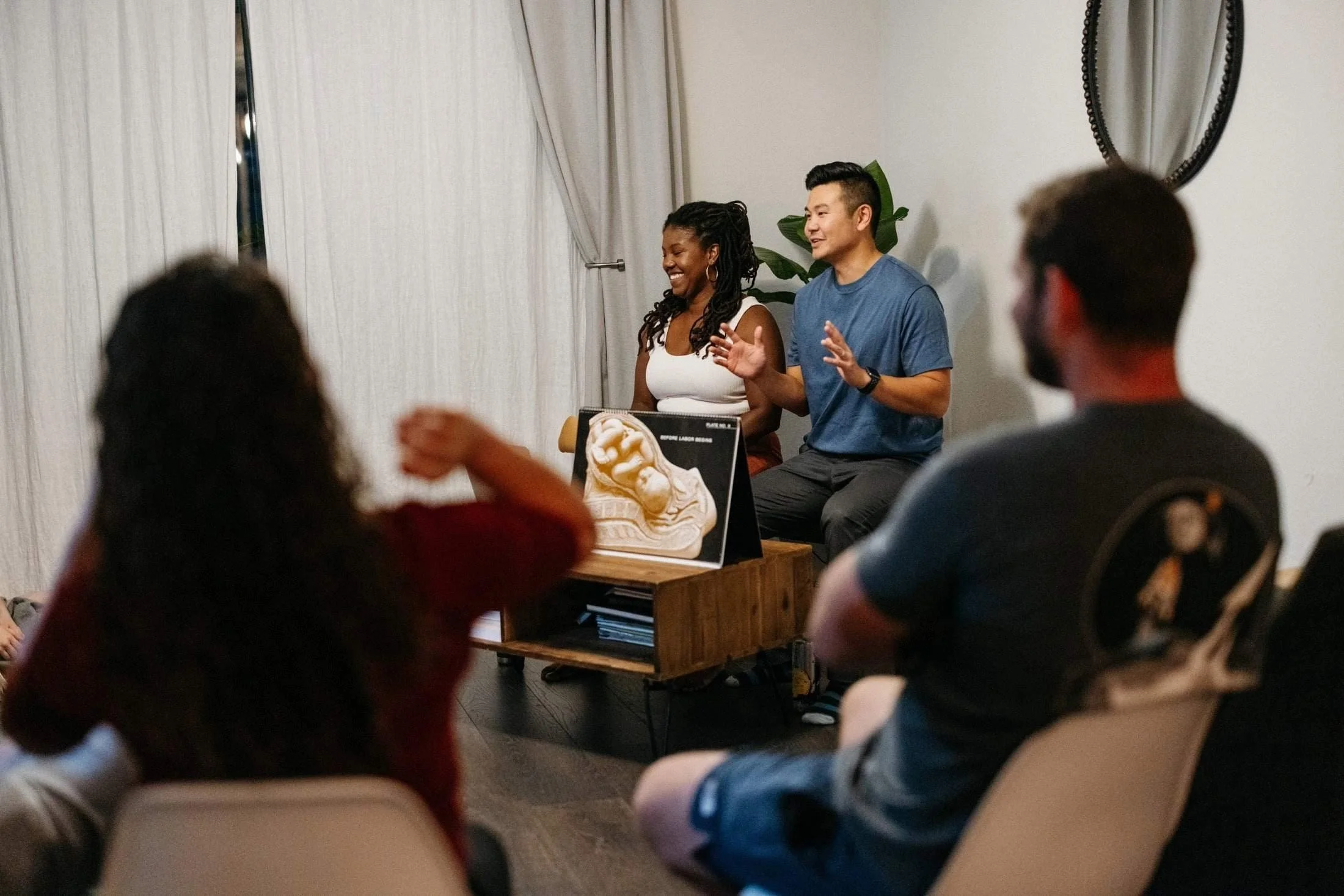
In Our BirthRoom Academy, we cover everything from prenatal to postpartum care; ensuring you’re fully prepared for the experience ahead.
Creating a birth plan is another important step. This plan outlines your preferences for labor and delivery, from pain management
to the environment you want to birth in.
But many parents discover something once they start writing a birth plan:
They’re not always sure what actually belongs on it.
Should you include positions?
Delayed cord clamping?
Eating during labor?
What about induction policies or pushing positions?
And even more importantly—how do you communicate those preferences clearly with your care team?
That’s exactly why I created Birth Plan Makeover.
Inside this workshop, I walk you through how to turn a basic birth plan template into a clear, confident communication tool that
medical teams actually respect.
You’ll learn how to:
✨ Identify the preferences that matter most
✨ Communicate your birth goals without conflict
✨ Prepare your partner to advocate alongside you
✨ Stay flexible if birth takes an unexpected turn
👉You can explore the Birth Plan Makeover workshop here.
Because a birth plan isn’t just about a document.
It’s about walking into labor prepared, informed, and confident.
Understanding labor & birth
Labor and birth are unique experiences for every mother, but understanding the process can help you feel more in control. Labor
typically unfolds in several stages: early labor, active labor, transition, pushing, and placental birth.
Early labor is often the longest stage, where contractions begin and gradually become stronger. Active labor follows, marked by
more intense contractions and dilation. Transition is the most intense phase, but also the shortest, leading to the pushing stage
where you work with your body to bring your baby into the world. Finally, delivery culminates with the birth of your baby, a moment
of immense joy and relief, followed by the birth of your placenta.
Knowing the signs of labor and when to go to the hospital or birthing center is crucial. Our course covers these signs in detail, so you
know exactly when to take the next step in your birthing journey.
Natural pain management techniques
One of the hallmarks of natural childbirth is the use of non-medical pain management techniques. Breathing exercises and
relaxation techniques are fundamental in managing the pain of labor. Controlled breathing helps to oxygenate your body and keep
you calm, while relaxation techniques reduce muscle tension and promote a sense of control.
Hydrotherapy, such as laboring in a warm bath or shower, can be incredibly soothing, helping to relieve pain and promote
relaxation. One of the midwives on my team also graciously provided me a massage earlier on in labor, it was so relaxing that I
slept for a few hours. Utilizing different therapies like acupressure, acupuncture, and massage are great ways to ease discomfort
and reduce stress in labor.
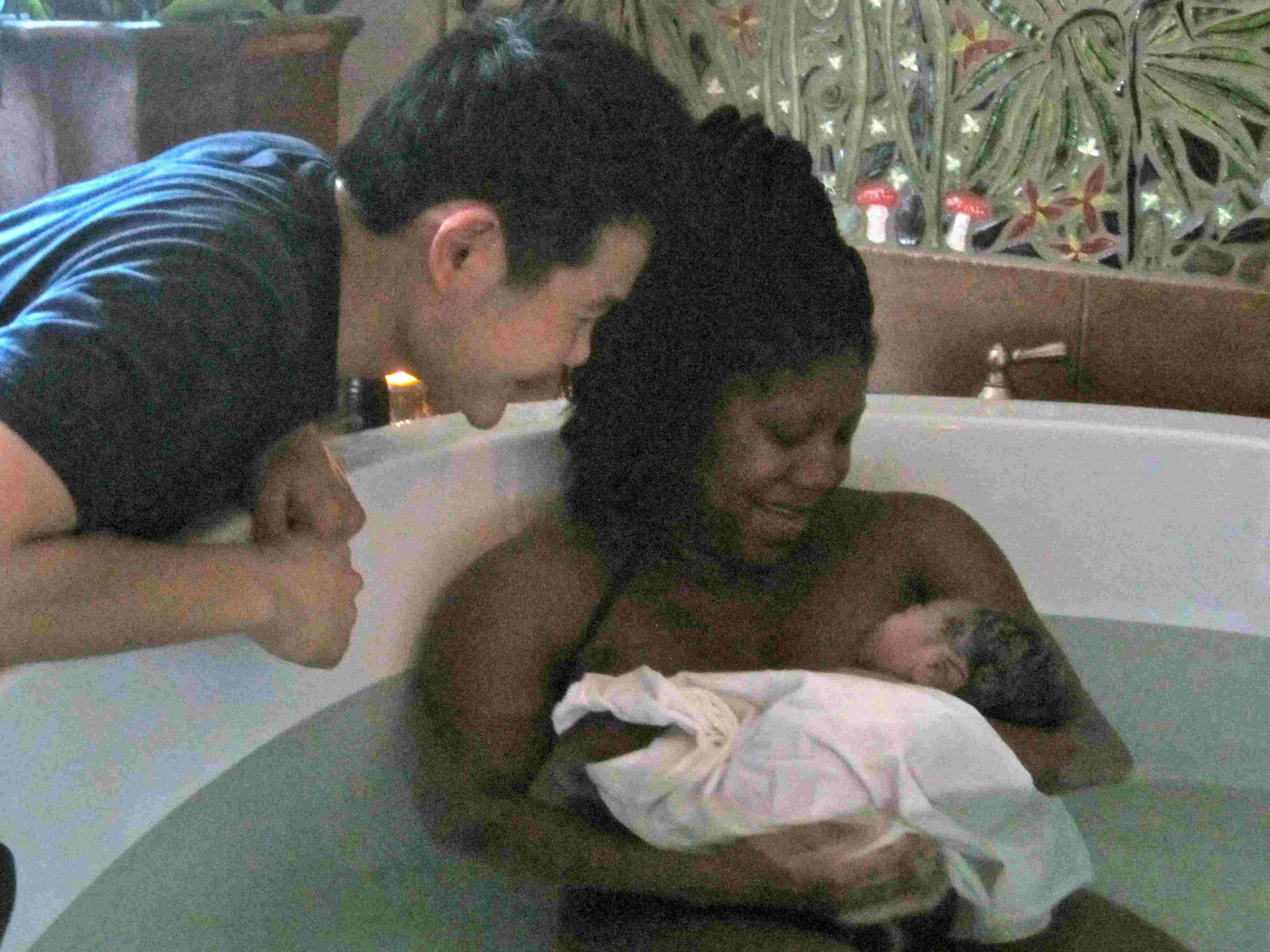
1st birth at Alma Birth Center.
My very first time giving birth, I stepped into a birth tub for deeper relaxation and I didn't step out until after my son was born!
It felt so relieving and melted all the muscle tension in my lower back and hips.
Movement and positioning during labor also play a significant role in managing pain. In Our BirthRoom Academy, we cover the
best labor positions and techniques to help progress labor and make contractions more manageable.
What to expect during unmedicated childbirth
Every birth is unique, but understanding what to expect during unmedicated childbirth can help ease anxiety. Common experiences
during labor include intense contractions, pressure, and the overwhelming urge to push. While these sensations can feel intense,
they are all part of your body’s natural process to birth as efficiently as possible.
Emotional support from your birth coach is crucial during this time. Your coach’s role is to provide encouragement, reassurance,
and physical support, helping you stay focused and calm. Our course is all about training partners to become active participants in
the labor process, ensuring they know how to support you effectively. In fact, many partners become incredible sources of support
when they understand how labor works and how to help in the moment. If you'd like to learn how partners can step into that role,
check out this post:
👉 Train Your Partner to Be a Daddy Doula
It’s also important to be prepared for unexpected situations. While you may plan for an unmedicated birth, labor can be
unpredictable. Our course equips you with the knowledge and flexibility to navigate different stumbling blocks, ensuring you feel
confident no matter how your birth story unfolds.
I've faced a variety of stumbling blocks during my own labors, some including:
false labor for almost a week
arrested labor (where my contractions stopped for 24 hours)
double nuchal cord (umbilical cord wrapped around baby’s neck twice)
meconium (baby's first poop during labor)
hyperemesis gravida (excessive vomiting during pregnancy)
Each of these scenarios could have led to medical interventions if I wasn't educated and prepared for each scenario. Instead of
panicking, I relied on my training and the support of my birth coach and birth team to help me stay calm and focused. Ultimately, I
was able to have all of my four children unmedicated and outside of the hospital.
Postpartum care & recovery
The postpartum period is a time of healing and adjustment. Physically, your body will go through significant changes as it recovers
from childbirth. Our Postpartum Reset course will teach you how to support your body during this time, both physically and
mentally. Also, is you want a list of my top must-have postpartum items, you can grab it here.
Emotionally, the transition to motherhood can be overwhelming. It’s normal to experience a range of emotions, from joy to anxiety
to exhaustion. We emphasize the importance of mental health and provide resources to support you through this period.
Bonding with your newborn is another crucial aspect of postpartum care.

Skin-to-skin contact, breastfeeding, and spending quality time with your baby are all essential for fostering a strong connection.
We offer guidance on breastfeeding and overcoming common challenges, ensuring you feel supported as you begin this new chapter.
Natural birth isn’t about proving anything.
It’s about understanding your body, preparing with the right support, and walking into labor with confidence.
And when couples prepare together, the entire experience changes.
If you want to see the full framework we teach families inside Our BirthRoom, I’d love to invite you to my free class:
🎓 10 Steps to a Calm and Confident Birth—Together
Because birth isn’t just something you go through.
It’s something you can own.
Continue Preparing for Your Birth
If this post was helpful, you might also enjoy:
• Think You’re Not Natural Birth Material? Here’s Why That’s a Myth
• How to Actually Work With Labor—Not Against It
• Why First-Time Parents Need More Than a Hospital Tour
