

Think You’re Not “Natural Birth Material”? Here’s Why That’s a Myth
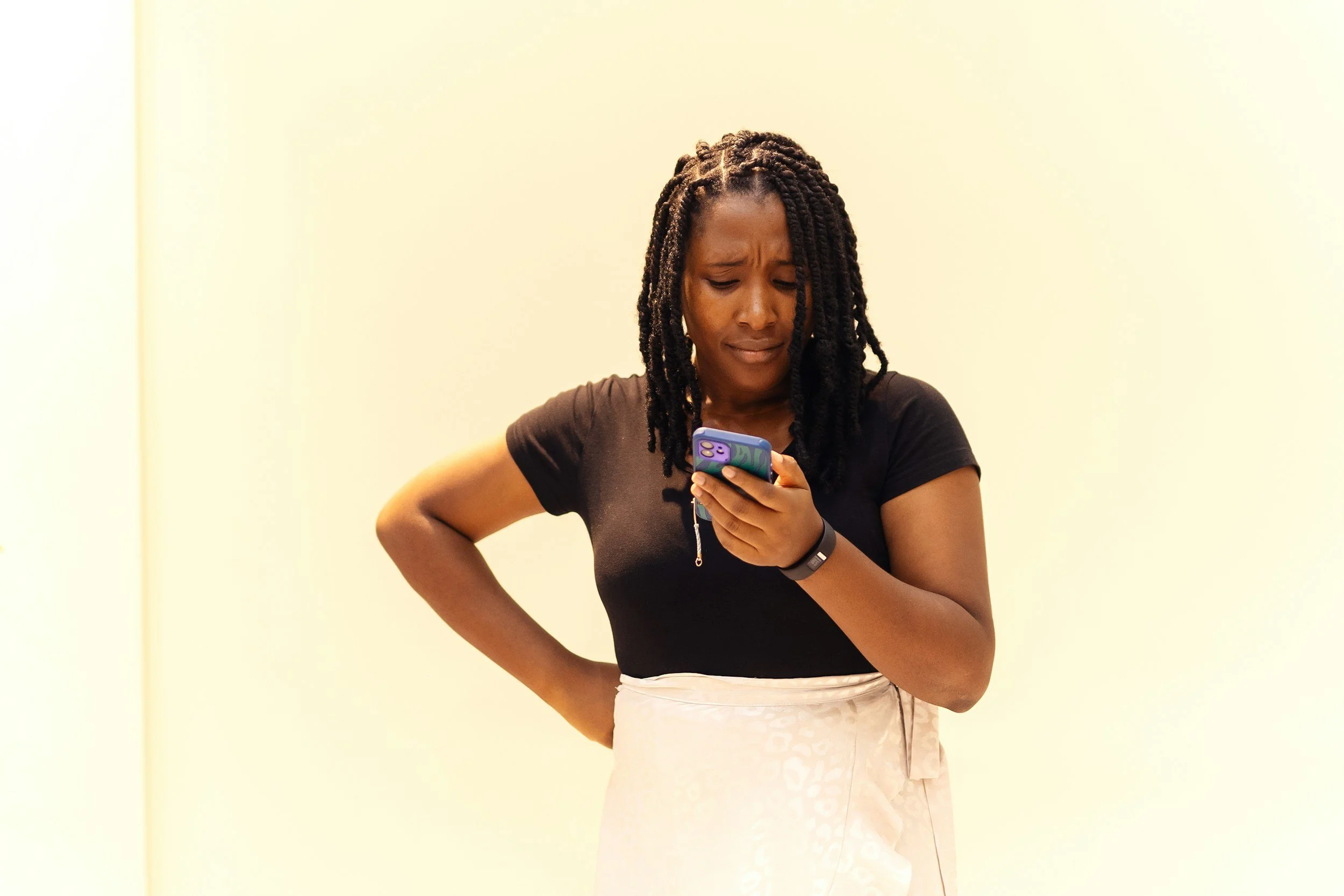
Hey friend—can we talk about something real?
Maybe part of you wants an unmedicated birth.
But another part keeps whispering:
I’m probably not the kind of woman who can do that.
Maybe you’ve always thought you had a low pain tolerance.
Maybe you’re anxious.
Maybe this is your first baby and you have absolutely no idea what labor will feel like.
Maybe someone mentioned a risk factor and now you’re wondering whether you should even hope for the birth you want.
Or maybe you've watched women give birth online and thought:
That is definitely not me.
Here’s what I want you to know:
There is no personality type called “natural birth material.”
You do not have to be unusually tough.
Fearless.
Athletic.
Crunchy.
Calm all the time.
Or born with some mysterious ability to breathe through contractions while looking completely serene. 😄
Natural birth is not a personality test.
And preparation matters far more than trying to become a different kind of woman.
The Myth of the Woman Who Is “Built for Birth”
We often talk about natural birth as if some women simply have it.
They’re strong.
They’re calm.
They have a high pain tolerance.
They don't get scared.
And everyone else?
Maybe they'll just need the epidural.
But that's an incredibly limited way to think about birth.
Labor is not only about how much pain you can tolerate.
It involves:
understanding what your body is doing
learning ways to cope with intensity
movement and positioning
support
communication
decision-making
adapting when circumstances change
Those are not personality traits.
They are things you can prepare for.
Natural Birth Is Not About Proving Anything
Let’s clear this up too.
Wanting a natural or unmedicated birth does not mean you need to prove that you're stronger than anyone else.
And it doesn't mean intervention is always bad.
For us, preparing for natural birth means learning how to work with labor when it is safe and appropriate to do so.
It means understanding your body.
Learning coping skills.
Preparing your partner.
Knowing your preferences.
And learning how to participate in decisions if the plan changes.
Because birth isn't just something you go through.
It's something you can prepare to participate in.
You Don’t Need a High Pain Tolerance
This is one of the most common things people tell themselves:
“I have a terrible pain tolerance. There’s no way I can do this.”
But labor is not a contest to see how much pain you can silently endure.
That's not the goal.
You're learning how to respond to labor.
You might use:
breathing
movement
water
massage
counterpressure
position changes
vocalization
visualization
rest
support from your partner
You are not simply standing there taking contraction after contraction with no tools.
That's why preparation matters.
Imagine signing up for a marathon and saying:
“I hope I'm naturally good at running.”
No training.
No pacing strategy.
No hydration plan.
No coaching.
Just vibes.
We would never expect that.
Yet people are often expected to walk into labor without practicing any coping skills and somehow know what to do.
Feeling overwhelmed in that situation does not mean your body failed.
It may simply mean you were never taught how to prepare for the experience.
Anxious People Can Prepare for Birth Too
Another myth?
Calm women are good at natural birth. Anxious women aren't.
Nope.
You may be nervous.
You may overthink.
You may ask a million questions.
You may need reassurance.
None of those automatically disqualify you from the birth you want.
The goal is not to change your personality before your due date.
The goal is to build enough understanding and practical skill that anxiety doesn't have to make every decision.
You can learn:
What is happening?
What can I do right now?
What can my partner do?
What questions should we ask?
That gives your brain somewhere to go besides:
PANIC.
And that's one of the reasons preparation builds confidence.
Your Partner Doesn’t Need to Be “Good at Birth” Either
This applies to your partner too.
Maybe they aren't naturally calm.
Maybe blood makes them nervous.
Maybe they're not interested in reading five birth books.
Maybe they've already told you:
“Just tell me what you need when the time comes.”
They don't need a birth personality either.
They need tools.
A prepared partner can learn how to:
guide you through contractions
use touch and counterpressure
help with movement
remind you of coping skills you've practiced
protect your focus
communicate your preferences
ask questions when something changes
That's why we teach couples to train your partner to be your Daddy Doula.
Not because your partner has to become a professional.
Because good intentions become much more useful when they are paired with preparation.
But What If My Body Really Does Need Help?
This is where natural-birth conversations need more honesty.
Sometimes there are medical reasons that change the safest plan.
Sometimes labor unfolds differently than expected.
Sometimes pain medication becomes the right choice.
Sometimes an assisted birth or C-section becomes necessary.
Preparation doesn't make you immune to any of that.
And needing medical care does not mean you weren't “natural birth material.”
It means birth required something different.
That's why I don't want your confidence tied to one specific outcome.
Your strength isn't proven by whether you give birth without medication.
Your preparation isn't proven by whether everything goes according to plan.
There is a much better question:
Were you prepared to participate in the birth that unfolded?
Two Couples. Same Preparation. Very Different Births.
This is where I want you to see what preparation really means.
We taught one couple who came into birth preparation terrified.
Even talking about labor made them anxious.
They weren't the people you would have looked at and thought:
Oh yes. Definitely natural-birth people.

But they learned.
They practiced.
They prepared together.
And they went on to have multiple unmedicated births.
Now compare that with another couple we taught.
They prepared deeply too.
They practiced.
They learned how labor worked.
They worked as a team.
Their labor was long and intense.
And eventually, there was a true obstetrical emergency.
A C-section became the safest decision.
Was all that preparation wasted?
Absolutely not.

They understood what was happening.
They were involved in the conversation.
They felt supported by one another.
They were able to make a difficult decision together.
And afterward, they felt proud of how they had moved through the experience.
Later, when they had another baby, they used the same preparation again.
That birth unfolded differently.
They were able to have a vaginal birth.
Same couple.
Same preparation.
Different births.
And that is exactly the point.
Preparation Does Not Guarantee an Outcome
I want to say this as clearly as possible.
Preparing for natural birth does not guarantee you will have an unmedicated birth.
That's not what preparation is for.
Preparation gives you:
knowledge
coping skills
partner support
questions to ask
a better understanding of your options
tools you can use if things change
Sometimes those skills help you continue toward the birth you hoped for.
Sometimes they help you navigate an entirely different birth with clarity.
Both count.
That is why success cannot simply mean:
“I had a natural birth.”
A much stronger goal is:
Prepared. Supported. Involved. Confident.
You Are Not “Bad at Birth”
If you’ve been thinking:
Maybe I can’t do this.
I want you to challenge the assumption underneath that thought.
Are you truly incapable?
Or are you simply looking at something you've never experienced and realizing nobody has taught you how to navigate it yet?
Those are very different things.
You do not need to know today exactly what your labor will require.
And you don't need to promise yourself that you'll never change your mind.
You can simply decide:
I'm going to prepare.
I'm going to understand labor.
I'm going to practice.
I'm going to involve my partner.
I'm going to learn my options.
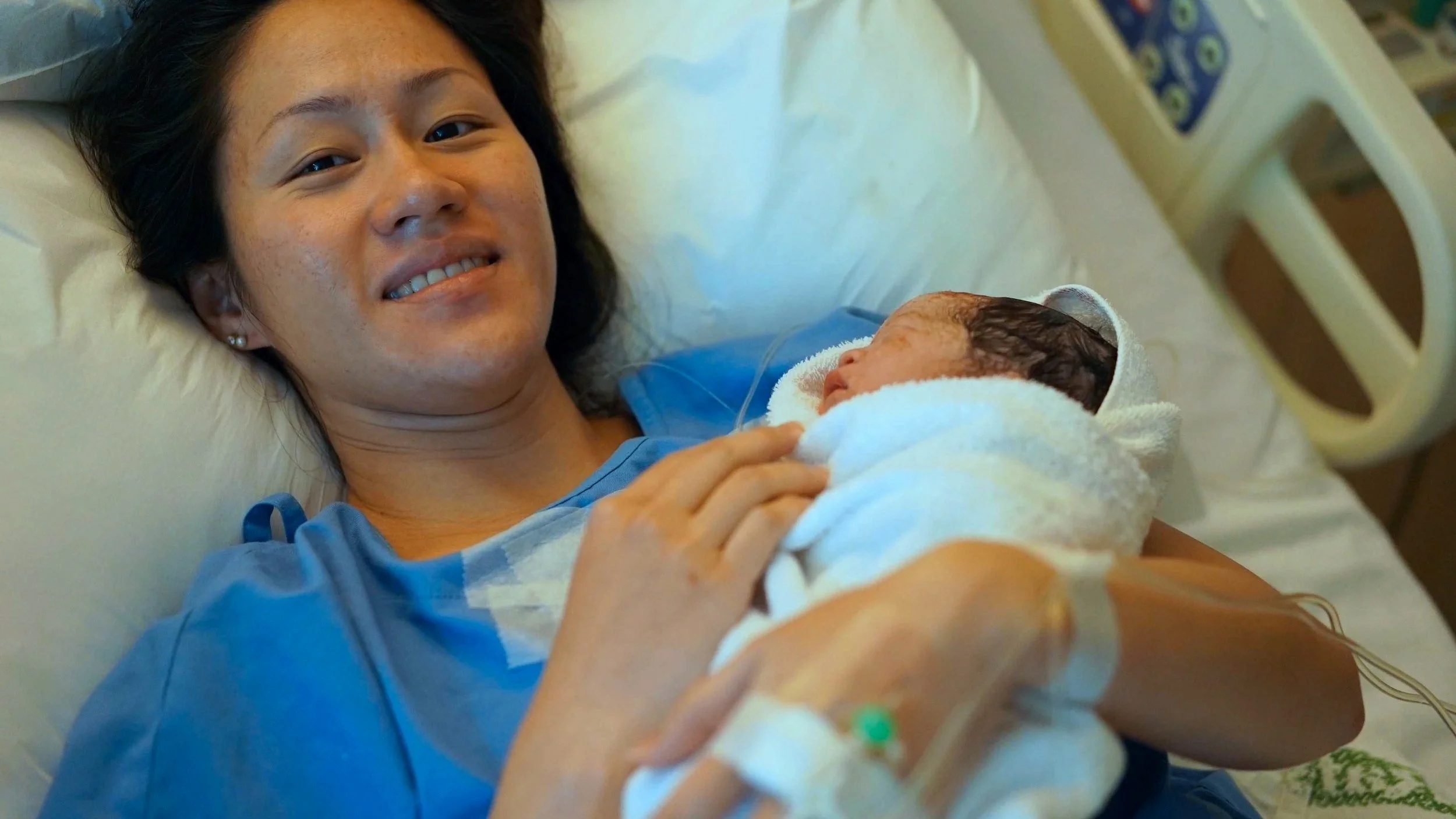
And when birth comes, we'll take it one decision at a time.
That's confidence.
Before Labor Starts, There Are 3 Things I Want You to Know
If you’ve been wondering whether you're “the kind of person” who can handle birth, you probably don't need another motivational quote telling you how strong you are.
You need practical preparation.
That's why Stephen and I created our free class:
The 3 Things Every First-Time Parent Should Know Before Labor Starts
Inside, you'll learn why information alone isn't enough, how couples prepare for birth even when things don't go exactly according to plan, and how your partner can become one of your greatest sources of support.
Because you don't need to become a different woman before labor.
You need tools.
You need support.
You need preparation.
You don't have to be fearless.
You don't have to be “that kind of mom.”
And you don't have to prove anything.
You just need to prepare for the birth ahead of you.
Confidence changes everything.
Continue Preparing for Your Birth
If this encouraged you, read these next:
• How to Work With Contractions (Instead of Fighting Them)
• How to Prepare Your Partner for Birth (So They Actually Know What to Do)
• How to Prepare for a Natural Birth (Without Fear or Guessing)
